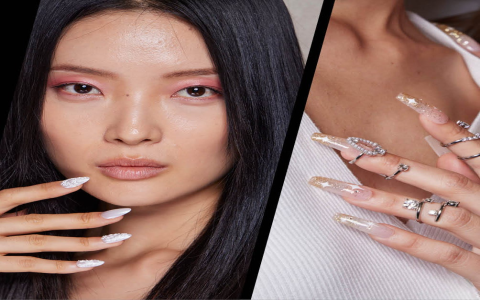
Duck Nails: The Ultimate Guide To This Unique Nail Trend
Have you ever wondered what makes duck nails so distinctive? These eye-catching nail shapes have taken the beauty world by storm, but many people still don't understand what makes them special or how to achieve the perfect duck nail look. Whether you're a nail art enthusiast or just curious about this trending style, this comprehensive guide will walk you through everything you need to know about duck nails.
Duck nails, also known as flare nails or fan nails, are characterized by their distinctive wide, flared shape that resembles a duck's webbed foot. This unique nail style has gained popularity among those who want to make a bold statement with their manicure. But what exactly are duck nails, and why have they become such a talked-about trend in the nail community?
What Are Duck Nails?
Duck nails are a specific nail shape where the free edge of the nail extends outward and flares dramatically, creating a fan-like appearance. Unlike traditional nail shapes like square, oval, or almond, duck nails have a distinctive widening at the tip that sets them apart. The name "duck nails" comes from their resemblance to a duck's webbed foot when viewed from above.
This nail shape is typically achieved using acrylic or gel extensions, as it requires building up the nail structure to create the dramatic flare. The width of duck nails can vary significantly, with some designs featuring a subtle flare while others extend several millimeters wider than the natural nail bed. The versatility of this style allows for various interpretations, from subtle and elegant to bold and extravagant.
History and Origins of Duck Nails
The duck nail trend emerged in the early 2010s as part of the broader nail art movement that saw increasingly creative and unconventional nail designs gain popularity. While the exact origin is debated, many credit the rise of duck nails to social media platforms like Instagram and Pinterest, where nail artists began showcasing increasingly dramatic nail shapes.
The style gained significant traction in urban nail salons, particularly in cities with vibrant fashion scenes. Initially, duck nails were considered a niche style, often associated with bold fashion statements and alternative beauty aesthetics. However, as nail art became more mainstream, duck nails found their way into mainstream beauty culture, with celebrities and influencers helping to popularize the look.
How to Create Duck Nails
Creating duck nails requires specific techniques and tools to achieve the characteristic flare. Here's a step-by-step breakdown of the process:
Preparation: The natural nail must be properly prepped, including cleaning, shaping, and buffing. A strong foundation is crucial for duck nails, as the extended shape requires durability.
Extension Application: Acrylic or gel extensions are applied to create the base structure. The nail technician must carefully build up the sides to create the signature flare while maintaining a natural appearance at the cuticle area.
Shaping and Filing: This is where the duck nail shape truly takes form. The technician uses specialized filing techniques to create the wide, fanned-out tip while ensuring smooth edges and a balanced look.
Finishing Touches: Once the basic shape is achieved, the nails are buffed, polished, and decorated according to the client's preferences. This might include nail art, rhinestones, or other embellishments that complement the dramatic shape.
Popular Duck Nail Designs and Styles
Duck nails offer endless possibilities for creative expression. Here are some popular design approaches:
Classic Duck Nails: These feature a clean, polished look with the focus on the unique shape itself. Often done in solid colors or simple French tips, they showcase the dramatic flare without additional embellishment.
Glitter and Glam: Many duck nail enthusiasts opt for glitter finishes or metallic polishes that catch the light and emphasize the wide surface area. Ombre effects work particularly well with this shape.
3D Nail Art: The extended surface of duck nails provides an excellent canvas for 3D nail art, including sculpted flowers, charms, or other decorative elements that add dimension and visual interest.
Seasonal Themes: Duck nails can be customized for holidays and seasons, featuring designs like autumn leaves, winter snowflakes, spring florals, or summer beach themes.
Pros and Cons of Duck Nails
Like any nail style, duck nails come with their own set of advantages and disadvantages:
Pros:
- Unique Appearance: Duck nails are undeniably eye-catching and help you stand out from the crowd
- Creative Canvas: The wide shape provides ample space for elaborate nail art and designs
- Statement Style: Perfect for those who want to make a bold fashion statement
- Versatile Length Options: Can be done in various lengths to suit different preferences
Cons:
- Practical Limitations: The wide shape can make certain tasks more difficult, like typing or handling small objects
- Maintenance Requirements: Duck nails typically require more frequent maintenance than traditional shapes
- Not Workplace Appropriate: Many professional environments may consider them too dramatic
- Cost Considerations: The specialized technique and materials often make duck nails more expensive than standard manicures
Maintenance and Care Tips
If you decide to try duck nails, proper maintenance is essential for keeping them looking their best:
Regular Fill-Ins: Due to the extended shape, duck nails typically need fill-ins every 2-3 weeks to maintain their structure and appearance.
Gentle Handling: The wide shape can make nails more prone to catching on objects, so extra care is needed during daily activities.
Proper Cleaning: The extended surface area can accumulate dirt more easily, so regular cleaning is important for hygiene.
Moisturizing: Keep cuticles and surrounding skin hydrated to prevent lifting and maintain the overall health of your nails.
Duck Nails vs. Other Nail Shapes
How do duck nails compare to other popular nail shapes? Here's a quick comparison:
Square Nails: Traditional square nails offer a clean, classic look but lack the dramatic flair of duck nails. They're more practical for everyday wear but less distinctive.
Almond Nails: Almond-shaped nails provide an elegant, tapered look that's more subtle than duck nails. They're often considered more universally flattering.
Stiletto Nails: Like duck nails, stiletto nails make a bold statement, but they feature a pointed rather than flared shape. Both styles require similar maintenance but create very different aesthetics.
Coffin Nails: Coffin or ballerina nails offer a trendy, tapered square shape that's become popular in recent years. They provide some drama but are generally more practical than duck nails.
Celebrity Influence and Pop Culture
Duck nails have appeared on various celebrities and influencers, helping to cement their place in pop culture. While not as ubiquitous as some other nail trends, duck nails have found fans among those who appreciate their unique aesthetic.
Social media platforms have played a crucial role in the evolution of duck nails, with nail artists sharing their creations and inspiring others to try the style. Instagram, in particular, has become a hub for duck nail enthusiasts to showcase their manicures and connect with others who appreciate this distinctive nail shape.
Common Questions About Duck Nails
Are duck nails practical for everyday wear?
Duck nails can be challenging for certain daily activities due to their wide shape. They're often better suited for special occasions or those who don't mind adjusting their routines slightly.
How long do duck nails typically last?
With proper care, duck nails can last 2-3 weeks between fill-ins. However, the exact duration depends on factors like nail growth rate and how well they're maintained.
Can duck nails be done on natural nails?
While technically possible, duck nails are typically created using extensions (acrylic or gel) because the dramatic flare requires building up the nail structure beyond what's possible with natural nails alone.
Are duck nails expensive?
Duck nails often cost more than standard manicures due to the specialized technique and additional time required to create the distinctive shape. Prices vary by location and salon, but expect to pay a premium for this unique style.
Conclusion
Duck nails represent a bold and creative approach to nail art that continues to captivate beauty enthusiasts around the world. Their distinctive flared shape offers a unique canvas for self-expression and artistic creativity, making them a standout choice for those who want to make a statement with their manicure.
Whether you're drawn to duck nails for their eye-catching appearance, their potential for elaborate nail art, or simply because you appreciate unconventional beauty trends, understanding the history, technique, and maintenance requirements will help you decide if this style is right for you. As with any beauty trend, the key is finding what makes you feel confident and expresses your personal style.
From their emergence in the early 2010s to their current status as a recognized nail art category, duck nails have proven their staying power in the ever-evolving world of beauty trends. If you're ready to step outside the box and try something truly unique, duck nails might just be the perfect choice for your next manicure adventure.